When the Snow Melts: Design for the Next Chapter of Family Life
March in Boston is about momentum. Your home should be ready for it.
By Juan Wulff & Monica Gonzalez — 7-minute read
By mid-March, the snowbanks shrink into gray slush along the sidewalks. The sun lingers a little longer past 6:00 p.m. Kids begin talking about spring sports, school calendars fill with end-of-year events, and bonuses quietly hit bank accounts as budgets reset for the year ahead. One evening, standing at the kitchen sink, Joe said what many Boston homeowners find themselves saying this time of year: “If we’re going to do this, we should start planning now.”
March is not about survival like February. It’s about anticipation. And anticipation changes how families think about their homes. The best remodeling decisions tend to happen during moments of transition, when momentum is building, but before urgency takes over.
Who This Is For
This is for families who can feel the edges of their home tightening. For those anticipating a new baby, a job shift, or aging parents moving closer. For families who sense their layout no longer matches their rhythm. For people who would rather plan ahead thoughtfully than react under pressure later.
If your life feels like it’s expanding, even quietly, this is for you.
Boston Is a City That Runs on Cycles
Greater Boston moves in rhythms. Academic calendars reset in March. Research institutions outline new initiatives. Hiring cycles accelerate. Real estate activity increases as spring approaches. Homes feel this shift too.
Families who tolerated tight quarters all winter begin imagining summer gatherings again. Backyards return to focus. Natural light exposes the scuffed paint and awkward corners that darkness kindly hid. Conversations evolve from “Can we live with this?” to something more forward-looking: “Should we change it?”
March is when possibility enters the room.
Joe and Liz’s March Realization
After surviving another compressed winter, Joe and Liz noticed something had shifted. It wasn’t frustration anymore. It was growth. Their daughter would start preschool in the fall. Liz’s consulting work was expanding steadily. Joe’s hybrid schedule was now permanent.
The house did not feel broken; it felt transitional. The dining room had gradually become an office. The guest room quietly accumulated storage. The kitchen supported daily routines but strained during larger gatherings. At this time, nothing was urgent or catastrophic. They didn’t need to be rescued; instead, they needed preparation.
Why Families Wait Too Long
Many homeowners delay remodeling until friction becomes unbearable. A second child arrives. An elderly parent needs space quickly. Remote work becomes permanent overnight. However, planning under pressure rarely leads to clear thinking. In Boston’s older housing stock, rushed decisions can create long-term compromises. Tight lots, layered renovations, and structural constraints reward thoughtful sequencing. When changes are reactive, they often solve today’s problem while limiting tomorrow’s flexibility.
March offers something rare: time. Time to plan before urgency forces your hand.
Designing for Growth, Not Just Relief
When families approach us in early spring, the tone of the conversation feels different from winter consultations. The energy is forward-looking rather than corrective. Instead of asking how to fix what feels tight, we ask what’s coming next. What changes are likely in the next three to five years? How might work patterns evolve? Will teenagers soon need more privacy? Could a first-floor suite support aging parents down the road?
Designing during a growth phase allows structural decisions to anticipate the future. Sometimes that means reinforcing framing now to allow a later expansion. Sometimes it means relocating a stair to unlock long-term flexibility. Sometimes it means upgrading insulation and mechanical systems while walls are open, even if finishes wait. Momentum is powerful. Channeling it strategically is what makes it transformative.
The Boston Reality of Spring Planning
In Greater Boston, spring is the gateway to construction season. Permitting timelines begin to accelerate. Trade schedules fill for the summer months. Material lead times still require foresight. Families who begin design conversations in March often position themselves for smoother execution later in the year. Those who wait until June frequently find themselves competing for availability.
Transition isn’t just emotional. It’s logistical.
Practical Questions for a March Reset
If you’re feeling that spring momentum, consider this a gentle reset:
- Is your current layout supporting who you’re becoming — or who you were three years ago?
- What life change is most likely in the next five years?
- Are you reacting to inconvenience, or preparing intentionally for growth?
- If you began design conversations now, where could you realistically be by fall?
March is less about aesthetics. It’s about alignment.
A Pattern We See Every Year
Each spring, we meet families who say some version of the same thing: “We should have started this conversation earlier.”
Not because waiting was wrong. But, because clarity reduces stress. Planning during a season of momentum feels energizing. Planning during a crisis feels overwhelming. The difference is rarely budget. It’s timing.
A Closing Reflection
St. Patrick’s Day in Boston is joyful. It is a day of music, color, and the unmistakable energy of a city stepping back outside. It’s a celebration of heritage, community, and the simple happiness of gathering again after a long winter. In many ways, that spirit mirrors the month itself.
March is a threshold. Not fully winter, not yet spring, but charged with movement. It carries optimism. It reminds us that change can feel celebratory rather than disruptive. That growth can be embraced rather than endured. Homes, like families, move through seasons. The smartest remodeling decisions aren’t reactive. They are intentional responses to growth; made with clarity, not crisis.
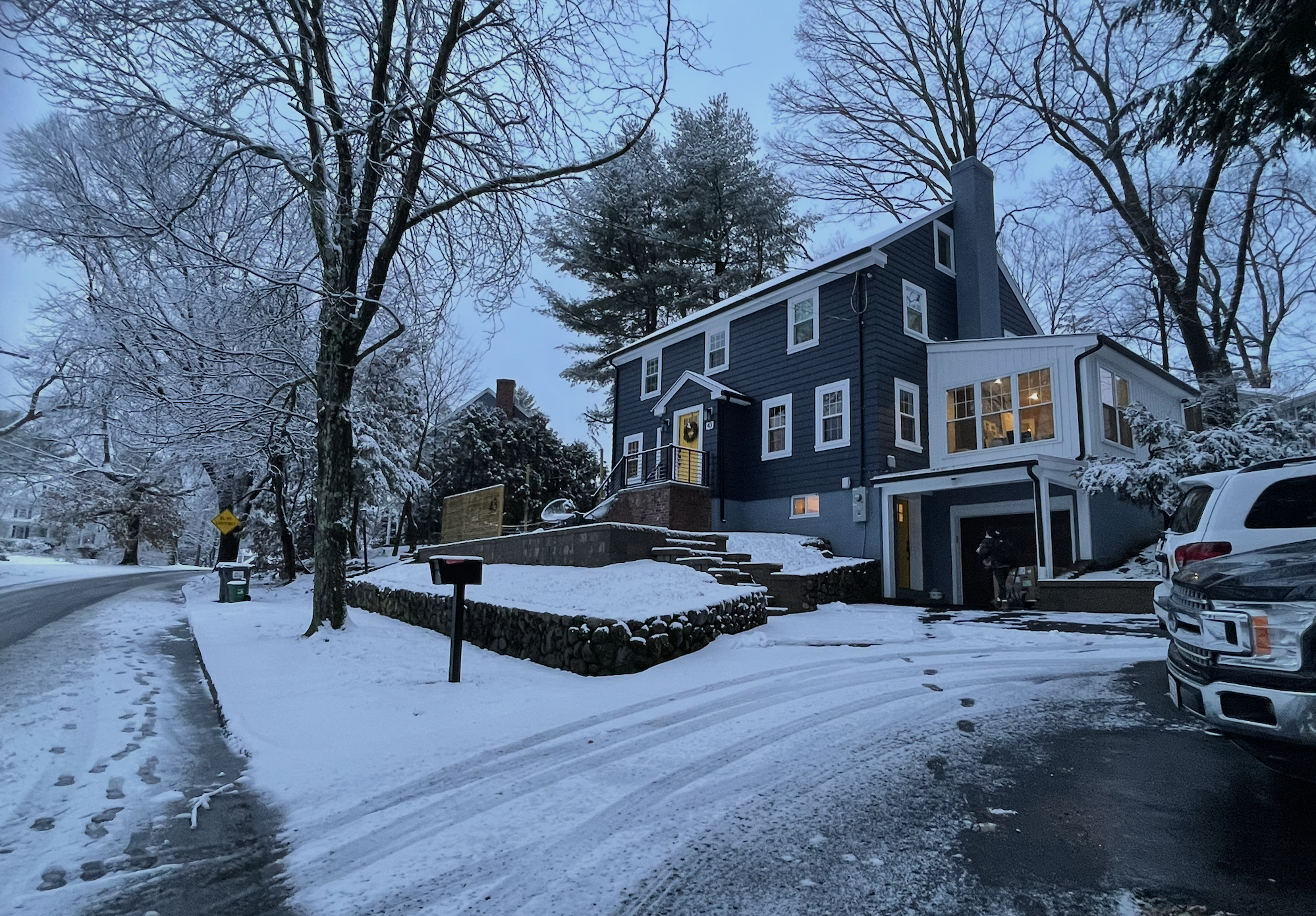
When the snow melts, it reveals more than pavement. It reveals what’s next and invites us to step into it with confidence.
Considering a Remodel This Year?
If this spring feels like a turning point, it may be time to move from casual conversations to structured planning. A design-build approach allows you to explore scope, budget, and feasibility before committing, thus positioning your family for thoughtful execution when the timing is right. In Greater Boston’s layered housing landscape, preparation creates confidence.
About A1RE
A1RE is a Greater Boston design-build firm founded by Juan Wulff, an engineer and construction expert, and Monica Gonzalez, a design and real estate strategist. We integrate construction intelligence, design clarity, and property strategy to create homes that evolve alongside real family life.
Call us at 508-960-9603 or book a consultation today with our team.


